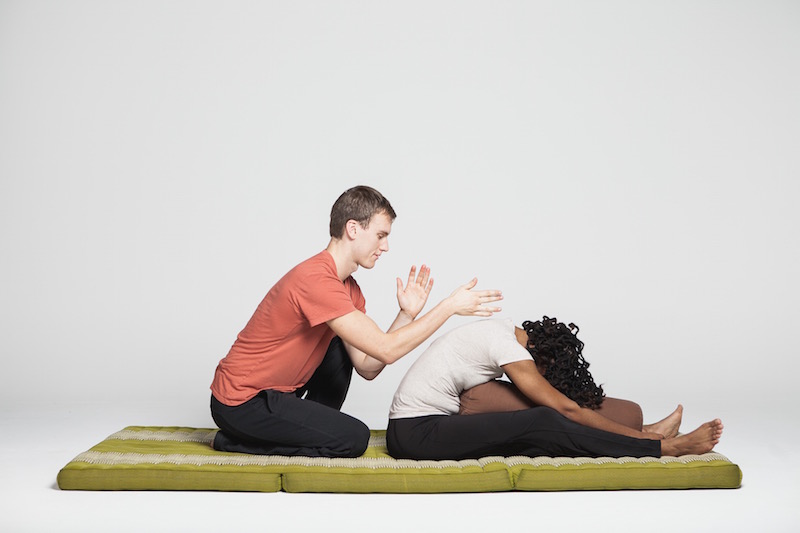
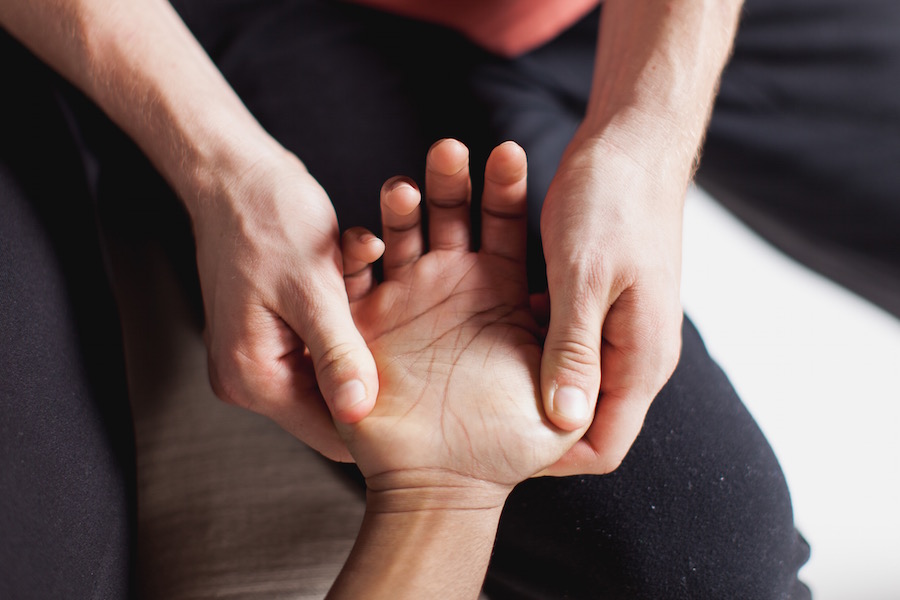
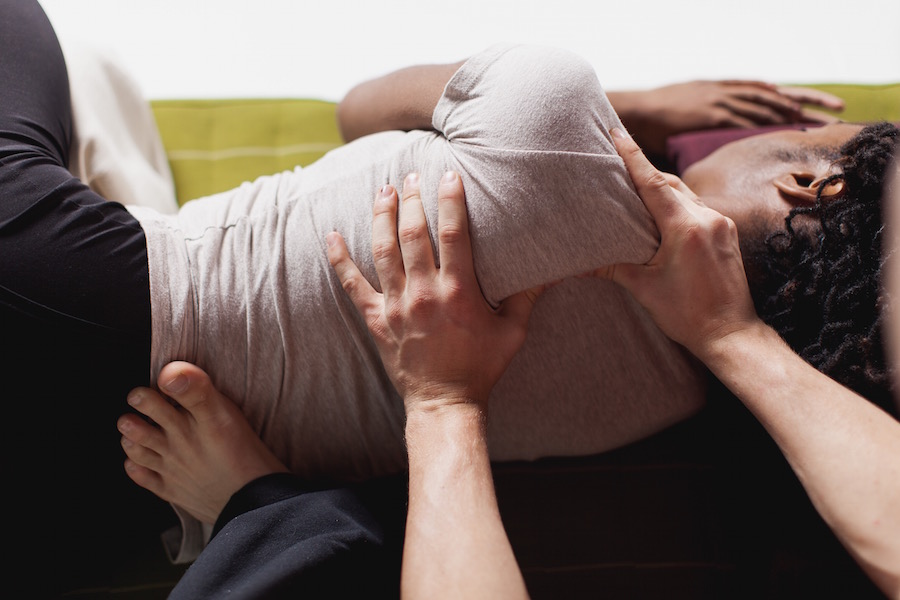
One of the Foundational Principles that we teach in every course (including introductory workshops) is the concept of Metta Bhavana, which is the cultivation of loving kindness and compassion. It’s the one piece of the puzzle that is essential to this practice. Technique and postures are secondary.
Have you ever said this to someone? Or maybe you’ve only thought about it and haven’t said anything? Well, the answer is probably not the one you were hoping for. It’s not some magical cure or the luck of the draw with good posture development. It’s hard work and dedication.
Self-awareness is one of those things that we have the responsibility to keep working on – always. Constantly evaluating our choices, our movements, movements of others, and an overall consciousness of the world at large and our role in it is something that we can always keep refining. It’s not something that we can ever really say “I’m aware enough…”.
Depending on how long you’ve been practicing or who you studied with, you may not have been exposed to Reusi Dat Ton, or a yoga asana practice yet. It’s always good to have new information and to collect input from many different sources, and as such I wanted to take some time here to highlight just how important it is to have a daily movement practice.
Do you get tension headaches often? Do you work on a computer a lot? And did you know that the tension in your forearms is quite often partially responsible for the tension headaches you get. How, you ask? I like it when you indulge me with such questions.
My own personal journey with Thai Massage has been one of profound transformation, so I think it’s important to share that because this practice is far more than something I do for a living – it’s truly become a way of living and a core part of who I am and who I aspire to be.
So often we remain in the mindset of “what can I do to fix this”, which ultimately means that we’ve waited too long because now something has to be done about our discomfort. Yes, it’s a tough thing to navigate around given our current culture and working environments, however it’s certainly not impossible to prevent tensions from building up.
Have you ever gone into a massage treatment expecting the treatment to unfold a particular way? This is especially common if you come in with a particular area of pain or discomfort. Generally you’d expect us to work on it directly right? Well, that’s not always the best approach for treatment…Here’s why:
Have you ever paused to think about how your body communicates with you… and with others? There is a world of very detailed information transmitted from our bodies every single day, which if paid attention to, can give important clues about our overall well-being.
The other day I met up with an old friend who I haven’t seen since university (which was many, MANY, years ago!). As in any normal “it’s been so long…” catch-up conversation, she asked me about what I’m doing in my career, and I happily shared with her that I am practicing and teaching Thai Massage. Unfortunately, at the mention of Thai Massage, her facial expression immediately changed, and she said to me “Oh… I had a Thai Massage once. Never again, it just wasn’t for me.”
If you’ve ever had any kind of injury and sought help from a manual therapist, chances are they’ve given you some degree of movement “homework”. Why do they give us work to do when we’re paying them to do their job and make us better? Shouldn’t a few treatments be enough to heal me? Unfortunately not.
In a world where commercialism dictates the trends in material gift giving, it is fascinating to explore the other options that exist. While many scramble around at holidays, birthdays, anniversaries etc, trying find the perfect gifts to express the depth of love and appreciation they have for certain individuals, it is almost amusing to pause and realize that the most meaningful and impactful gifts are often the ones which cannot be found in a store or bought online. They have no specific price tag, yet are the most valuable gifts we could ever offer. Our words, our actions, our appreciation, our very presence; all of these have the ability to impact others in a way that is more profound than we can comprehend.
Touch is something that we are commonly deprived of in our society. We’re actively discouraged from touching others. Changing this is a critical part of a brighter future for the world and humanity – so many of our modern issues are being caused by a lack of empathy and from a disconnection from our innate humanity. Compassionate touch is one of the most profound influencers of empathy and developing connections and relationships with others, especially in the first few years of our lives.
Within our field of work, the nuances of this practice are really only able to be developed within a classroom or mentorship context. Teachers need to be able to provide moment-to-moment feedback to help unlock the more subtle aspects of a technique. These nuances can make the difference between an “okay” experience and an “incredible” one, and this is the way almost all of our learning happens – in person.
I know what you’re thinking. “Umm, Drew I’ve been walking for a long time, I totally know how to do that”… Yes. You have been walking for a long time! But are you sure you know the intricacies of how to walk with ideal biomechanics?
One of our favourite mantras when teaching Thai Massage, is to “Slow It Down”. As we guide students through new postures and techniques, we are constantly encouraging them to slow down their pace, gradually explore range of motion, and ease into the application of massage pressure. We place emphasis on slowing down, because it allows us to bring our mindfulness, compassion, and informed intuition into each part of our session. We want to express metta toward our clients, and also toward ourselves, in order to offer a high quality treatment experience in every interaction.
“Thai massage for [insert population sub-group here]“. “Thai Massage & [insert other modality of movement/body/energy work]“.
Have you seen or heard of this on the wonderful world wide web? I’ve come across it many times in recent years, and what’s concerning is not the blending, but the reaction to it.
Thai Massage is not just for professionals, or for people looking to take up bodywork practices. Yes, it can provide a great way to earn money and help others at the same time, yet more than that it’s an incredible life-skill.
One of the most common struggles for practitioners is managing time effectively. If you are a practitioner or teacher we all know that a 3-hour treatment allows just enough time to get to the whole body nicely, where we can feel as though we’ve made a really significant difference in energy and physiology. More time would even be nice. The only thing is, 3-hour treatments are largely inaccessible in a modern context. Sometimes it’s all we can do to get an hour away from our busy lives to schedule a treatment.


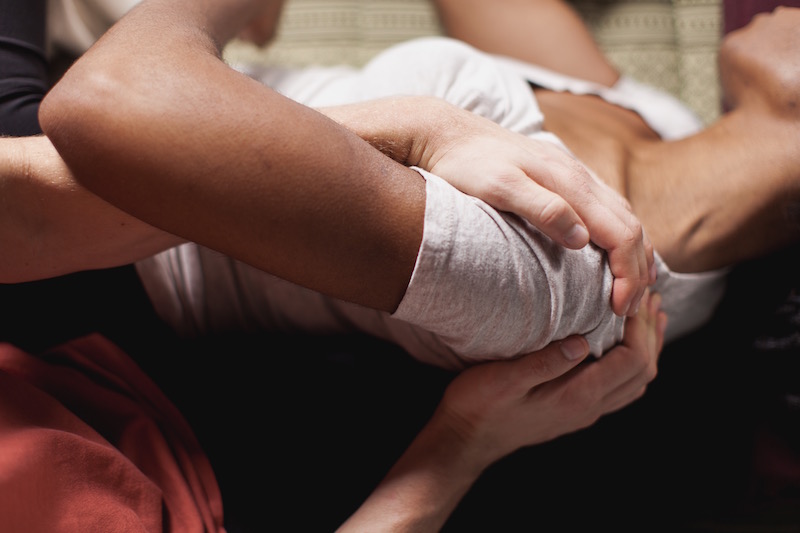
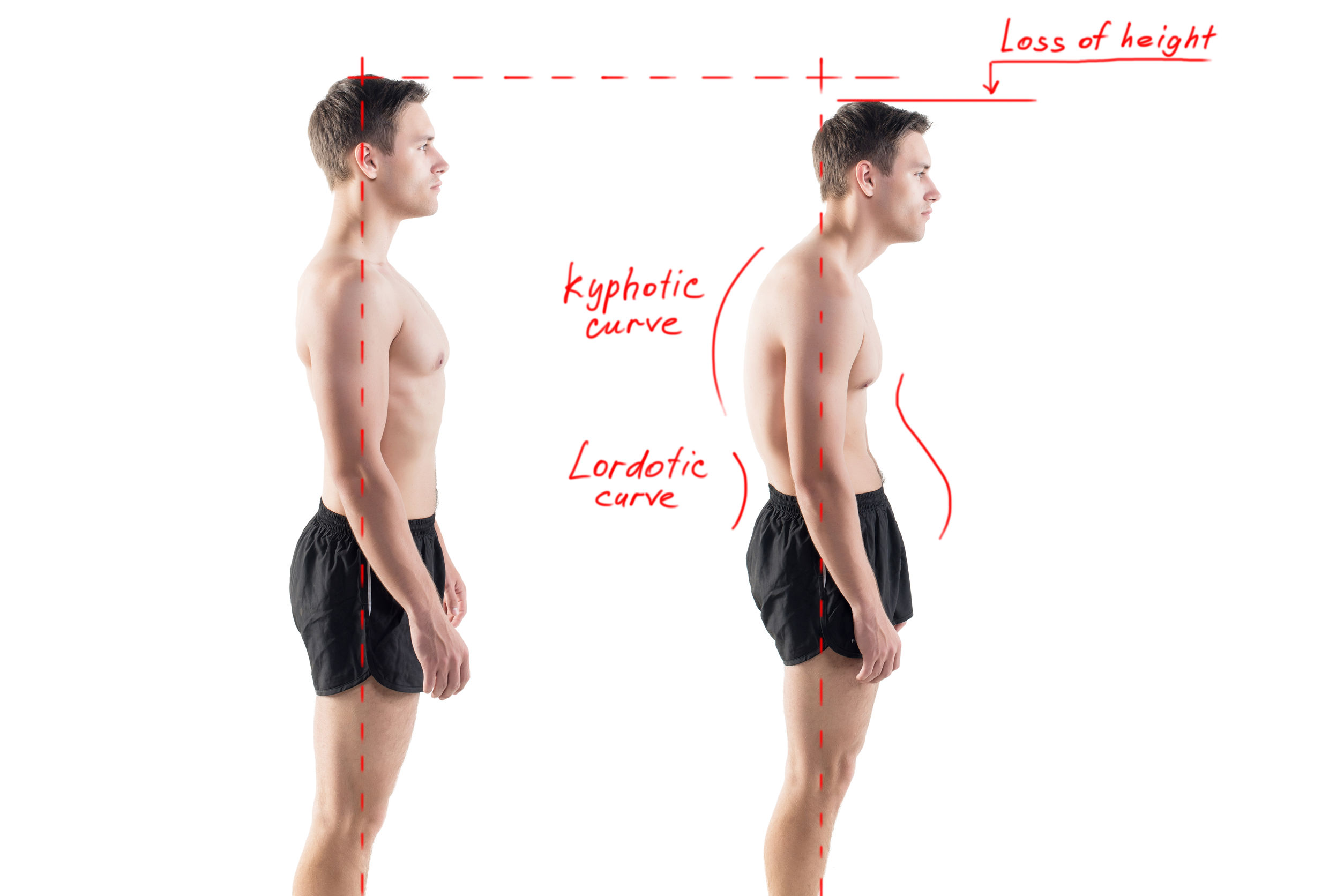
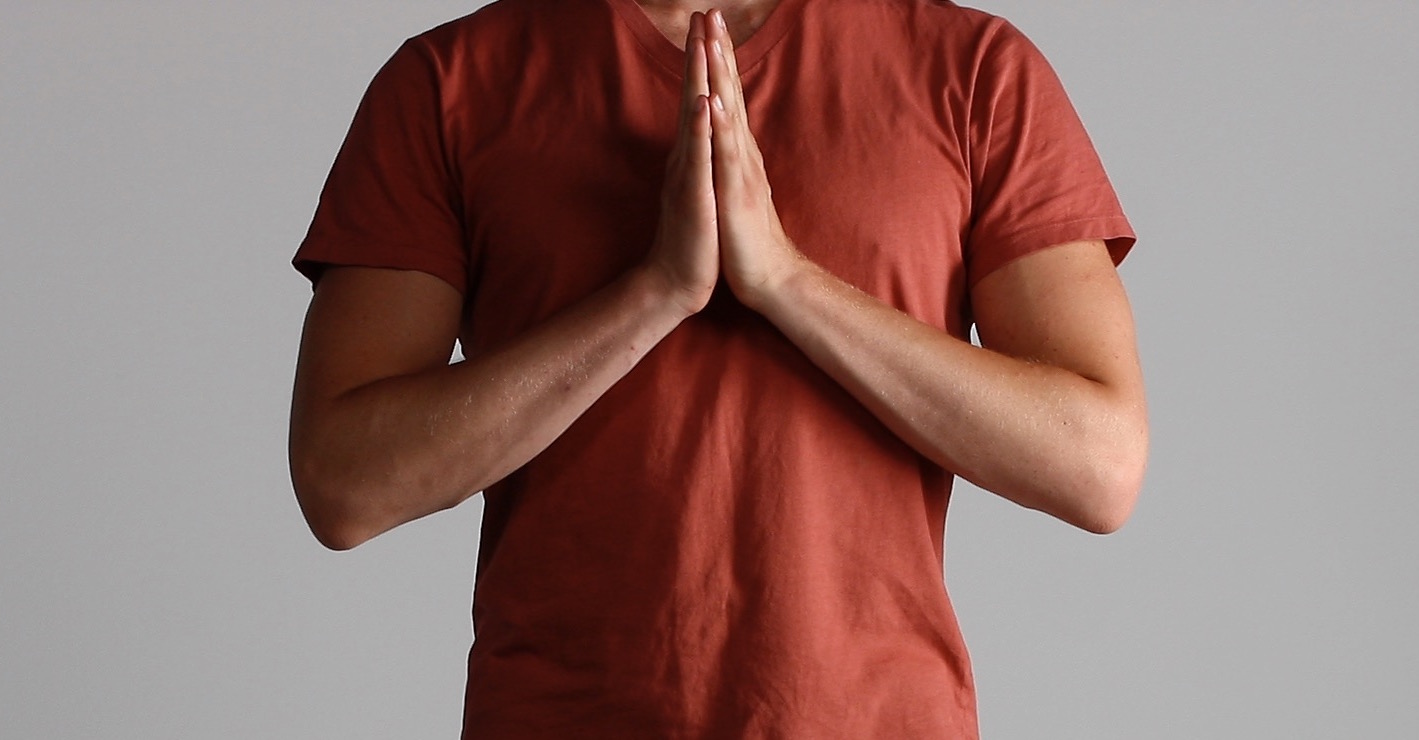

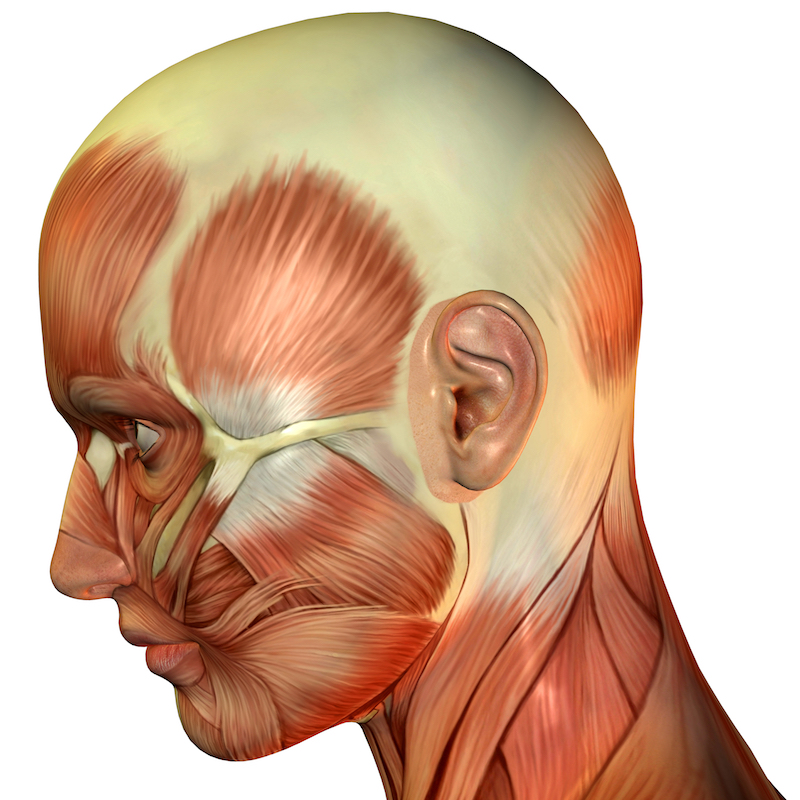

 I have a theory. And it is founded in a little research. But it also follows logic…so stick with me for a minute while I link some pieces together.