

massage and autsim

Touch, Oxytocin & Autism

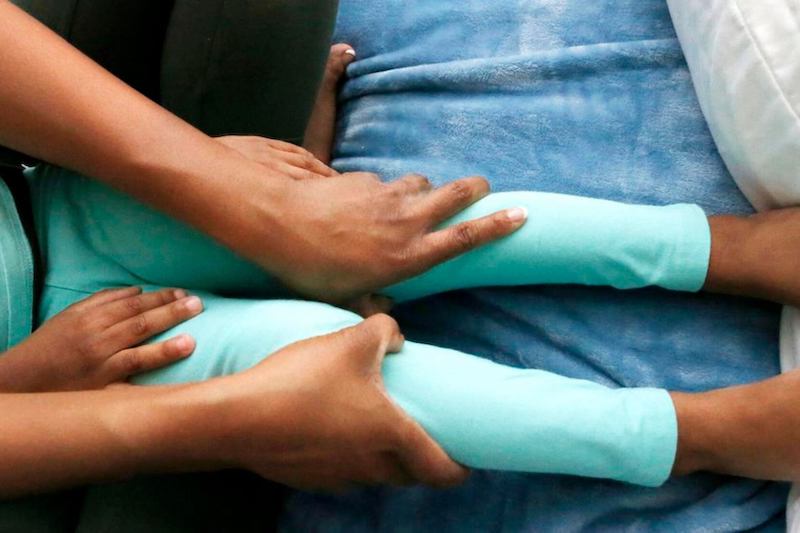
In my last post we talked about touch, Oxytocin and the social bonding that occurs as a result of the physical contact that produces Oxytocin release. The conversation of touch, Oxytocin and social bonding leads us into a conversation about autism. So here we are – let’s explore this. A couple of things that are … Read more

fascial stretch

Fascial stretch – what is it?

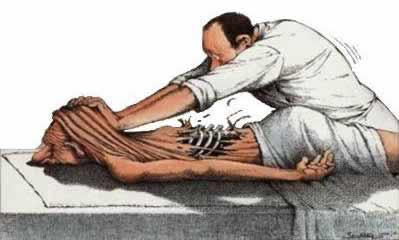
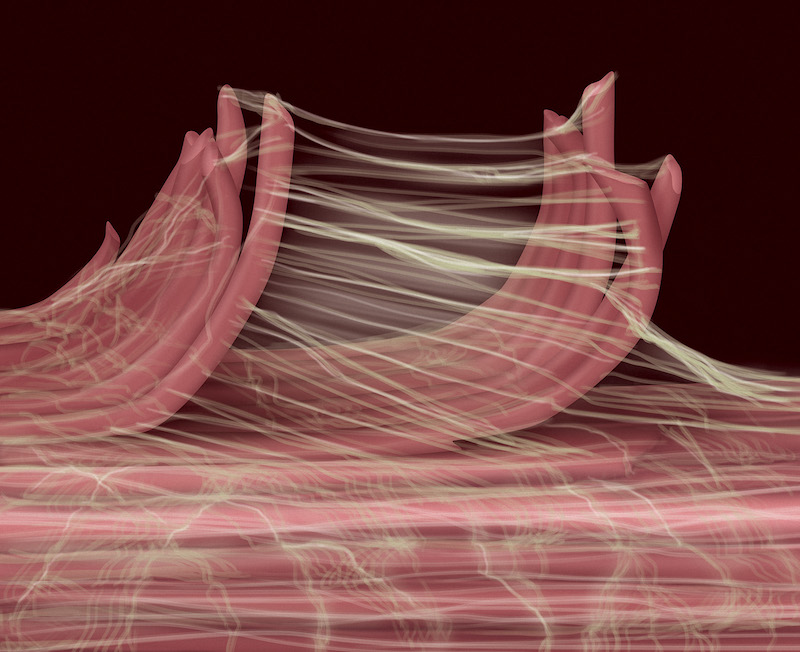
It’s a really commonly used term these days, but what does fascial stretch even mean? You might think it’s an easy situation of the fascia getting pulled on in order to make it longer. But that’s not really it, or at least it’s more complex than that. All stretching technically includes the fascia – so … Read more

massage adhesions

Can massage break up adhesions? Here’s the nuance.

It looks unlikely for the most part. At least in the context of how we medically understand adhesions. I’ll go into more detail about “the most part” below, because of course it’s not as simple as”no”. We’re tackling this because manual therapies all over the globe have made the claim that they can break up … Read more

massage detox

Is Massage Detoxifying?

I bet you’ve been told before that “massage is detoxifying”. But is it actually? In short – it’s more likely that it’s the opposite: slightly (and temporarily) toxic! Yep, you read that correctly. Let me explain. Typically when we think of a “toxin” we usually think of substances that we don’t want in our bodies. … Read more

pain - standing on a pin

Question everything you think you know about pain.

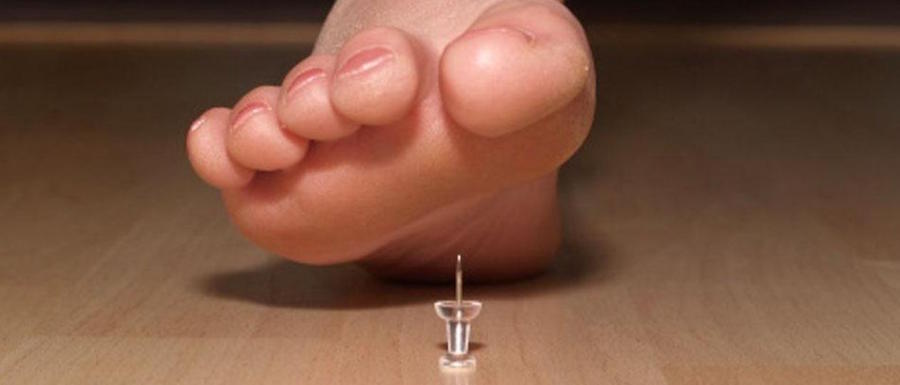
pain - standing on a pinPain is not what you think it is. This article is a culmination of an important email series that tackles some of the most mind-blowing facts about pain! A subject this important and this complex takes time to dissect and present, so even though you’ll need a bit of time here, it’s worth it. Not only will this tutorial help you to understand pain better, as long as you utilize the information within, it should also lead to better self-management of pain.

To start with, I want to tell you that pain is all in your head.

Read more

Wrist Ganglion & Wrist Pain Exercises

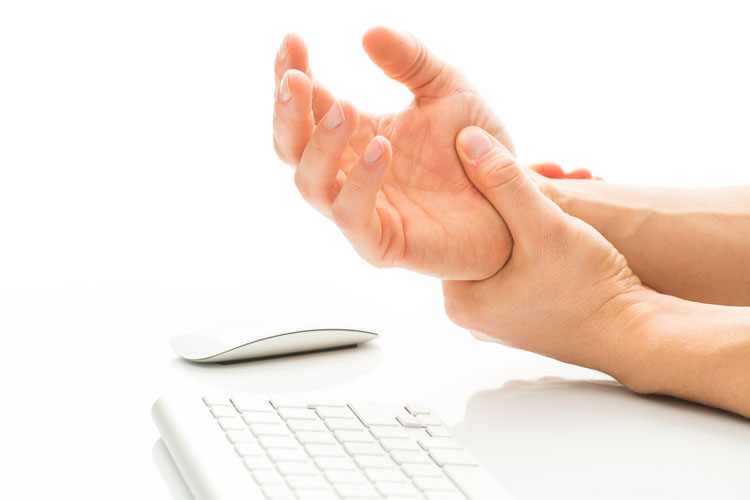
Many people suffer from both ganglions and generalized pain in the wrists. The exercises below are designed to help reduce both of these things. These exercises come from personal experience, where my own ganglion cyst in my right wrist has shrunk, and is no longer painful after having done these exercises religiously for a month. I avoided surgery with them (cancelled my appointment)!

Read more

plantar fascia picture

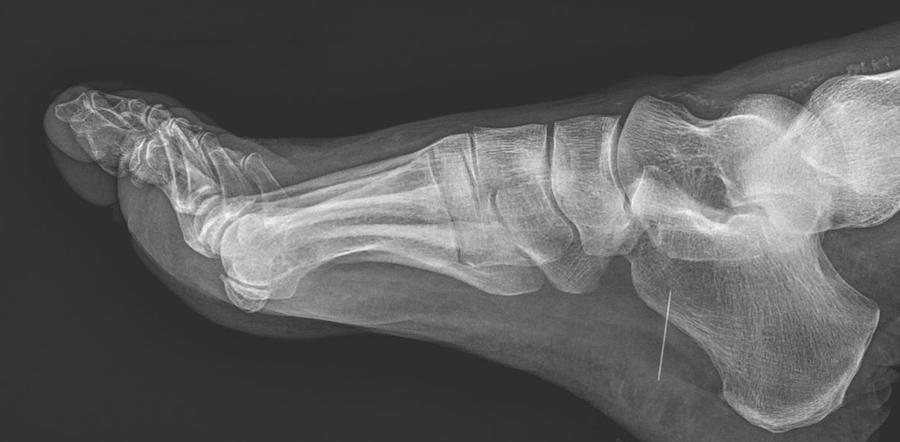
8 GOOD Things About The Plantar Fascia That No One Talks About

plantar fascia picture
Image Source: bcmj.org.
Often we only hear about the plantar fascia when it comes to pain. It gets blamed for a lot of things, not all of which are warranted. It also commonly gets removed or cut as a suggested “solution” to the things it gets blamed for. This is a grave mistake. There’s a whole lot of good that the plantar fascia does for you, that you probably don’t know about.

Read more

trigger point

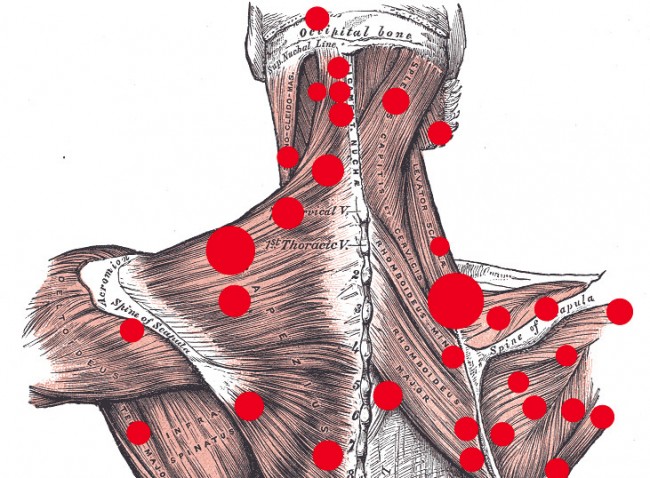
Trigger Points: Those “Money Spots” in Massage.

trigger point
Image Source: massagefreo.com.au/.

When you hear [or say] “I have knots in my back”, you’re really being told about a range of different physiological phenomena. One of these, and possibly the most common, is myofascial trigger points (TrPs). They can show up almost anywhere in your body, and they can seemingly have no known cause. TrPs can also cause a surprising amount of pain and discomfort, and their patterns of pain aren’t generally localized to the area of insult, but often referred to other regions of the body. Trigger Points are tricky beasts that can create surprisingly intense and odd sensations given that the physiology behind them is relatively subtle.

Read more

Chordae tendineae in heart

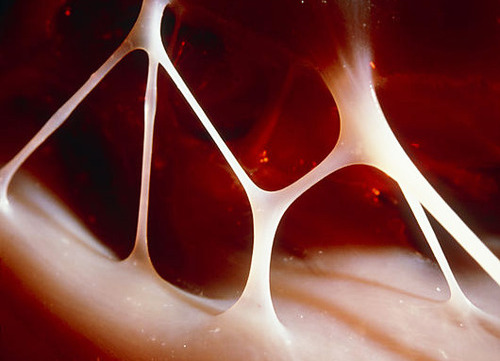
Tendinosis Is Far More Common Than Tendinitis

Chordae tendineae in heart
Image Source: punctualdork.com

Building on a previous post where I mentioned that Plantar Fasciitis should more accurately be referred to as “Plantar Fasciosis“, we’re revisiting that discussion in more depth. It’s important to understand the physiological differences in these conditions, because it helps us to provide more effective treatment. More appropriate treatment means faster recovery with less chance of re-injury.

Read more

scoliosis and massage

Thai Massage & Scoliosis

scoliosis and massage
Image Source: restoreorthopedics.com.

About 3 percent of people around the world have scoliosis, the majority of whom are girls and women (reference). Scoliosis is characterized by a lateral/sideways “S” or “C” curve in the spine. Depending on the severity of an individual’s curvature, it can have a significant impact on breathing and the functioning of certain organs. Different strategies and interventions exist to try and prevent scoliosis from getting worse or reverse it altogether. Before we delve into the role that Thai Massage can play, here are some essentials.

Read more

deep tissue massage

Just Because It Hurts Doesn’t Make It A “Deep Tissue Massage”.

deep tissue massage
Image Source: painscience.com.

When you think of a “deep tissue massage” you’re typically led to believe that this is going to be an inherently painful experience. This misconception is a widely believed notion. Not only should deep tissue massage NOT be painful, I’m going to tell you that if it’s painful it’s not actually as deep tissue as you want it to be.

Read more