 Drew Hume
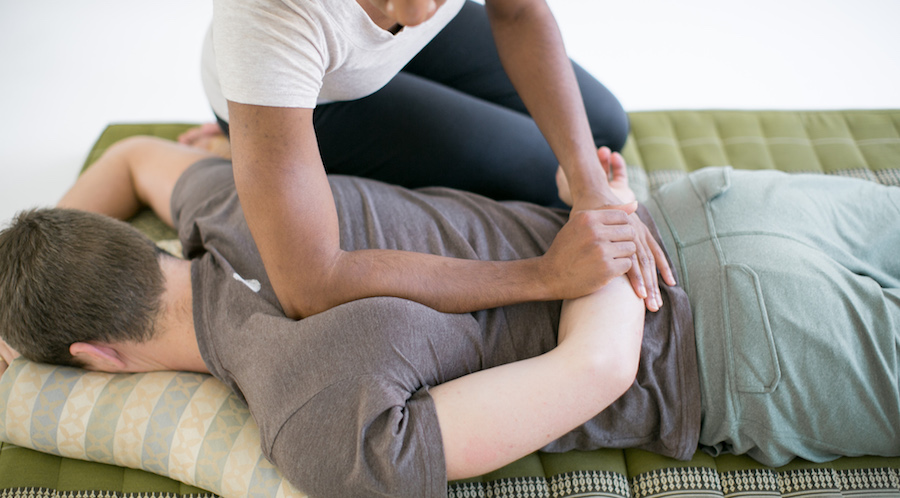
When it comes to massage pressure, there’s a full spectrum of “intensity”. Some people prefer less pressure, while others like more generous pressure. Quite often this is associated with their tolerance for, or their preference for sensation. Yet, it’s not quite that simple. Pain is never that simple.
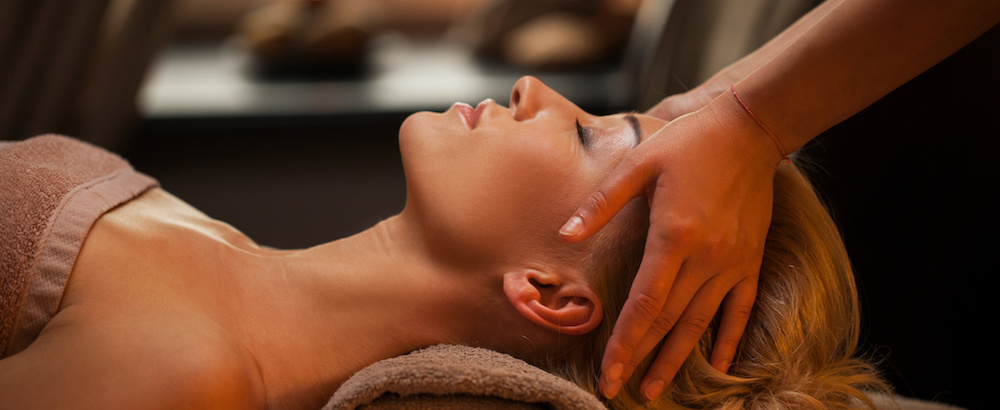

Massage is intimate. Right out of the gate, let’s get that one thing clear. Human touch is an intimate experience. You simply cannot change that. Whether it’s Thai massage with clothes on or Swedish massage, with clothes off – or even social contact. The thing is, intimacy is mostly [and incorrectly] confused with sexuality. This is a far-reaching issue that goes beyond massage alone and relates to our overall lack of touch vocabulary as a disconnected society.
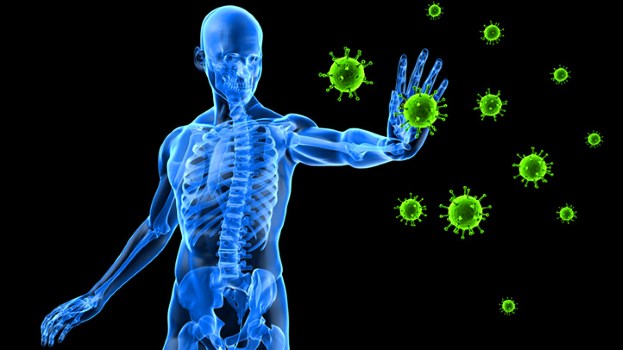
I’m glad you asked! So here’s the thing, there’s a lot of misunderstanding about what toxins actually are, so let’s tackle that first.
Toxins is a word that is thrown around a lot. Too much in fact. Without really being understood.

Even if [in your mind] you like winter, the likelihood is that your body disagrees. On the other side of the coin, if you’re like me, this information will only fuel the fire of becoming a “snow bird”. Perhaps it will even give you a reason 😉
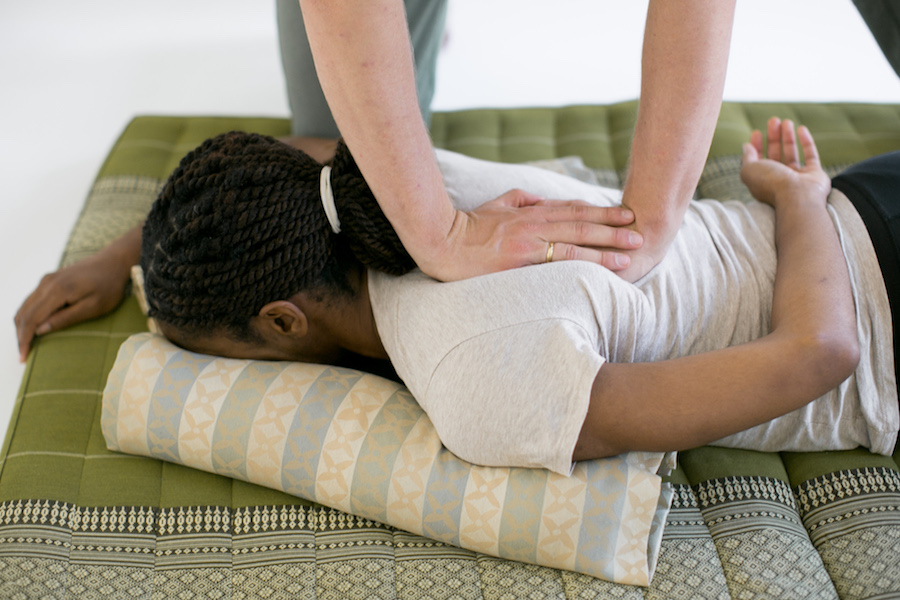
Normally my writing is very scientific and supported with research. This particular post is backed by smaller a degree of science, and a larger degree of experience and “feeling”. Part of the reason why is because the science hasn’t yet been able to describe these things through study. So I will do my best to share with you, how we know the “just right” spots in massage, with less defined language.
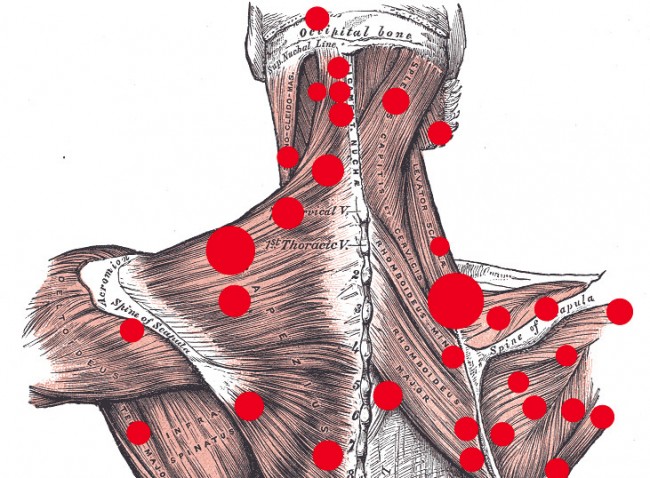
When you hear [or say] “I have knots in my back”, you’re really being told about a range of different physiological phenomena. One of these, and possibly the most common, is myofascial trigger points (TrPs). They can show up almost anywhere in your body, and they can seemingly have no known cause. TrPs can also cause a surprising amount of pain and discomfort, and their patterns of pain aren’t generally localized to the area of insult, but often referred to other regions of the body. Trigger Points are tricky beasts that can create surprisingly intense and odd sensations given that the physiology behind them is relatively subtle.

The quest to understand the mechanisms behind ticklishness has been occupying some researchers for decades. To this date, we still do not have a clear map of why our bodies can be ticklish, with some being more than others. There are however, some things that we have been able to find out through studying the tickle-phenomenon.
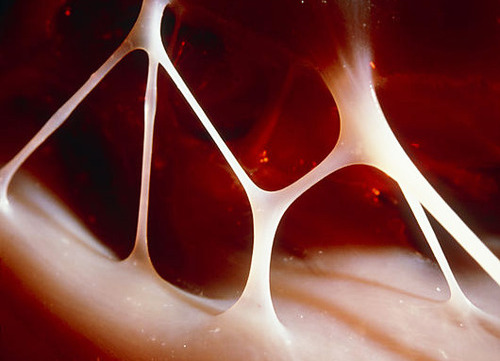
Building on a previous post where I mentioned that Plantar Fasciitis should more accurately be referred to as “Plantar Fasciosis“, we’re revisiting that discussion in more depth. It’s important to understand the physiological differences in these conditions, because it helps us to provide more effective treatment. More appropriate treatment means faster recovery with less chance of re-injury.
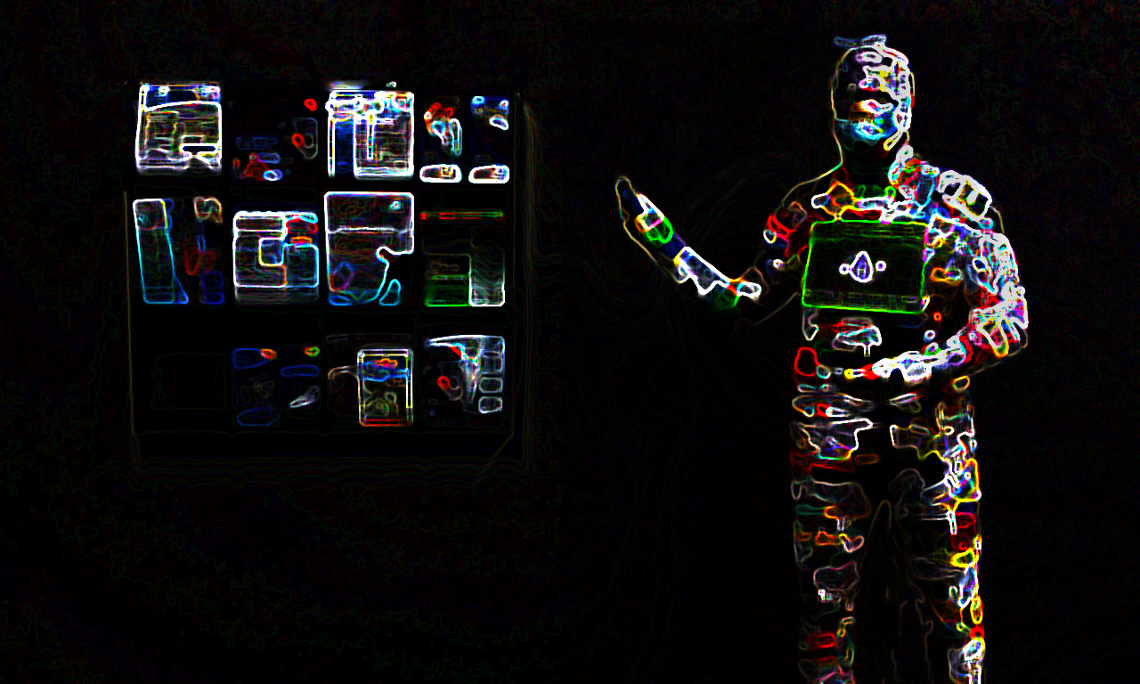
You might be thinking that all garments touch you. But we’re not talking about regular contact here. There are actually garments that are linked with phone and Internet technologies that when activated, feel like someone is touching you. Creepy or cool? You decide.
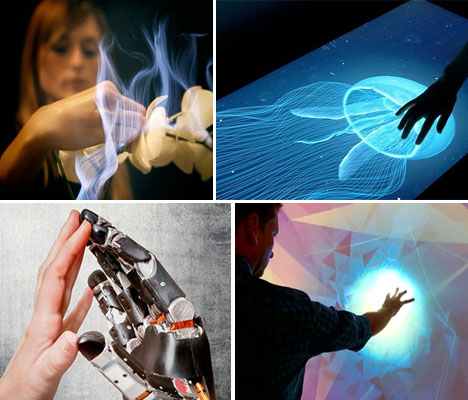
5 of the latest developments and what they could mean for our future touch-devices.
The future of touch technology is mind-blowing! We’re on the verge of some incredibly powerful tools that could change the world. We found 5 really exciting innovations that we wanted to share:
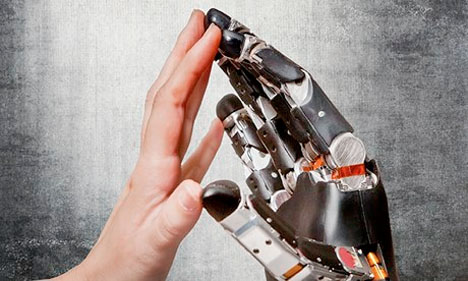
The biology of touch is something that we’ve been exploring for a significant amount of time. We’ve seen and repeatedly demonstrated that not only is physical touch incredibly important for health, happiness and overall wellbeing, we’ve also been able to analyze and understand why that happens. It turns out that we are very deeply hardwired for touch. Here’s where touch technology comes in.
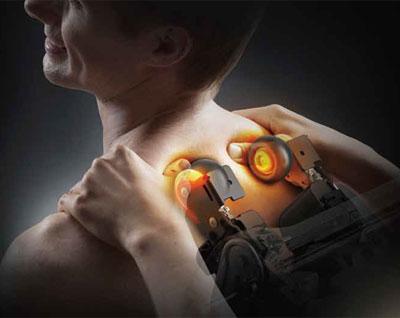
Advancements in technology has created some great conveniences for all of us. When electronic massage chairs came out, they appeared commonly in many retail settings; especially in malls. More recently we might see them scattered throughout airports or even available for home-purchase. Even though they’re convenient, they’ll never replace massage by a human.

About 3 percent of people around the world have scoliosis, the majority of whom are girls and women (reference). Scoliosis is characterized by a lateral/sideways “S” or “C” curve in the spine. Depending on the severity of an individual’s curvature, it can have a significant impact on breathing and the functioning of certain organs. Different strategies and interventions exist to try and prevent scoliosis from getting worse or reverse it altogether. Before we delve into the role that Thai Massage can play, here are some essentials.

It’s so typical of our culture to say “In case something bad could happen, or because someone complained we’ve decided to BAN __[insert normal, natural human thing here]__ altogether”. You know, I’m surprised they haven’t banned walking. I mean, the potential of falling over and hurting yourself whilst locomoting is really scary. It’s such a high-risk activity. I would even say a higher risk than touching other people.
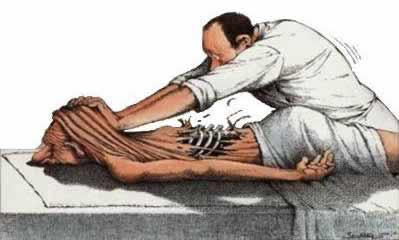
When you think of a “deep tissue massage” you’re typically led to believe that this is going to be an inherently painful experience. This misconception is a widely believed notion. Not only should deep tissue massage NOT be painful, I’m going to tell you that if it’s painful it’s not actually as deep tissue as you want it to be.
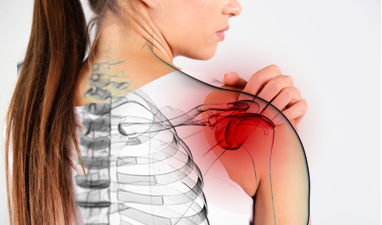
Frozen shoulder, or adhesive capsulitis, is a reasonably common condition that we really should know more about. The more we know, the greater chance we have of avoiding it altogether. It also may help us help others a little more.
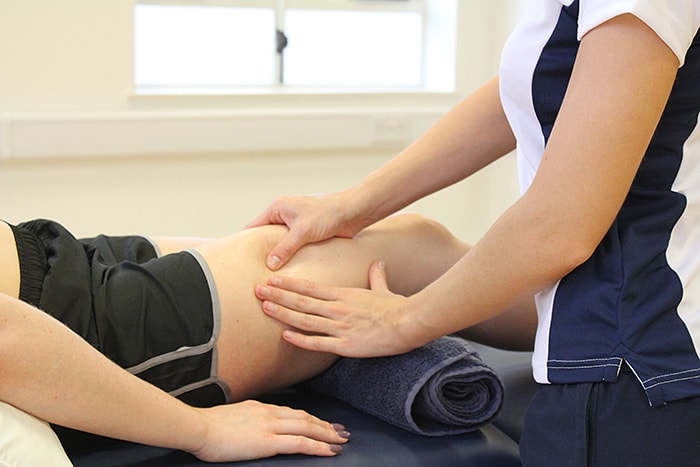
There are many reports of feeling post-massage soreness a day or two after a regular Swedish Massage session. This is more pronounced when deeper tissues are accessed with stronger/heavier pressure. The interesting thing is that Thai Massage rarely induces this feeling. Why is this the case?